 Reviews


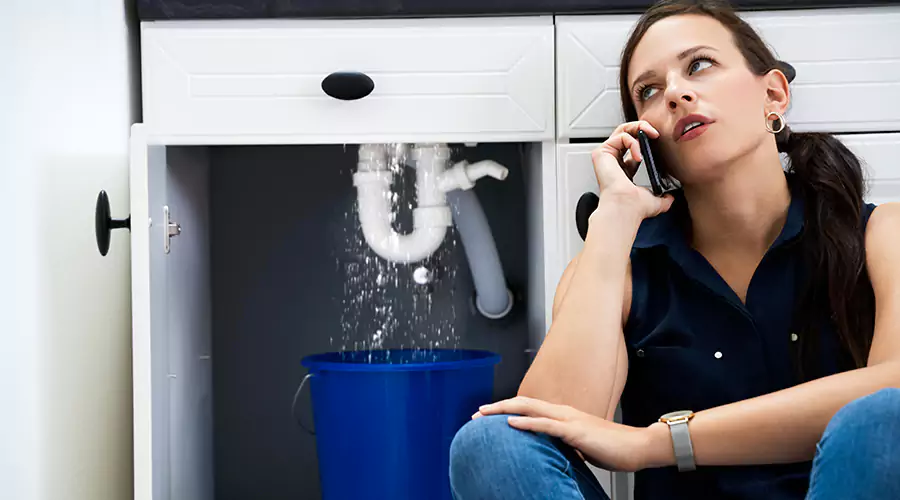
Water leaks cost American homeowners thousands of dollars every year. The worst part is that most leaks are hidden. You cannot see them, but they are running up your water bill and damaging your home every single day.
This guide shows you exactly how to find a water leak in your house, step by step, starting from the easiest checks all the way to the harder ones.
The Warning Signs
Your home gives you clues before the damage gets serious. Here are the most common signs of a hidden water leak to watch for.
Your Water Bill Went Up for No Reason
This is the most reliable early warning sign. If your monthly water bill increase cannot be explained by any change in your household routine, there is a very good chance water is leaking somewhere.
You Hear Water Running When Nothing Is On
If you hear the hearing water running in walls or pipes at night when every faucet and appliance is off, that sound has a source. It needs to be found.
You See Stains on Walls or Ceilings
Yellow or brown water stains on your ceiling or walls mean water has been sitting behind that surface for a while. The stain always shows up before the wall feels wet, so take it seriously early.
Floors Feel Soft or Warm in Certain Spots
Soft flooring usually means water has reached the subfloor beneath it. Warm floor spots on a concrete slab are a specific sign of a hot water pipe leaking under the foundation.
Water Pressure Dropped Suddenly
If multiple faucets in your home suddenly have low water pressure, water may be escaping the system before it reaches your fixtures.
Step 1: Use Your Water Meter to Confirm the Leak
Do this before checking anything else. The water meter test for leaks tells you in minutes whether a leak actually exists.
Find your water meter near the street at the edge of your property. Turn off every water source in your home. That includes the washing machine, dishwasher, refrigerator ice maker, and any outdoor irrigation timer.
Write down the exact meter reading and wait for two hours. Do not use any water during this time.
After two hours, check the meter again. If the number changed, water was flowing somewhere in your home while everything was off. That confirms you have an active leak.
Also look for a small leak indicator dial on your meter. It is usually a small triangle or star shape. If it is spinning while everything is off, you have a leak happening right now.
Is the Leak Inside or Outside Your Home?
Shut off the main water valve where the supply line enters your home. Run the meter test again. If the meter stops moving, the leak is inside the house. If it keeps moving, our water leak repair team can help address the issue in the underground supply line between the meter and your home.
Step 2: Check Every Toilet in the House
Most people are surprised to learn that toilet leaks are responsible for nearly 30 percent of all household water loss. The reason they go undetected is that most toilet leaks make no sound and leave no puddle.
The Food Coloring Test
Take the lid off the toilet tank and add several drops of food coloring. Do not flush. Wait 15 minutes and check the bowl. If color appears in the bowl without flushing, your flapper valve is leaking. This is called a silent toilet leak and it can waste hundreds of gallons per day.
Listen for Hissing
Put your ear near the tank. A hissing or trickling sound means the toilet fill valve is not shutting off properly. Water is constantly running into the tank even though nobody used the toilet.
Check the Base
If you see water pooling around the bottom of the toilet, the wax ring seal beneath the toilet has likely failed. This needs to be fixed quickly because it also allows sewer gases into your home.
Step 3: Look Under Every Sink
Under sink leaks are very common and very easy to miss because most people never look inside those cabinets unless they need something stored there.
Get a flashlight and open every cabinet under every sink in your kitchen and bathrooms. Look at the cabinet floor closely. You are checking for water stains on the wood, soft or spongy flooring material, rust on the metal supply lines, or white powdery mineral deposits around the drain pipes.
Turn on the cold and hot water and let it run for a full minute. Watch the supply lines and drain connections while the water flows. Even a small drip under running water is worth fixing immediately before it becomes a bigger problem.
Step 4: Check Behind Your Appliances
This step catches leaks that have been hiding for months or even years.
Refrigerator
Pull your refrigerator away from the wall and look at the water line connection at the back. These small plastic or braided steel lines carry constant water pressure. Over time the fittings loosen and small drips begin.
Washing Machine
Check the washing machine supply hoses carefully. These rubber hoses are under full water pressure at all times. If they are cracked, bulging, or more than five years old, replace them with braided stainless steel hoses before they fail. A burst washing machine hose is one of the leading causes of serious home flooding.
Dishwasher
Pull the dishwasher out slightly if possible and check underneath it. Dishwasher leaks often travel along the bottom of the unit and soak into the subfloor without ever producing a visible puddle at the surface.
Step 5: Find Leaks Inside Your Walls
Leaks inside walls are harder to find but there are clear methods that work without cutting anything open.
Look at Your Paint Carefully
Bubbling or peeling paint on a wall is not just a cosmetic issue. It means moisture is pushing outward from inside the wall cavity. Press gently on any area where the paint looks unusual. Drywall that has absorbed water feels soft or slightly flexible instead of solid.
Use a Moisture Meter
A moisture meter costs $20 to $40 at any hardware store. Press the metal probes against the wall surface and it gives you a reading instantly. Any reading above 15 percent in a drywall surface tells you there is moisture inside that wall that should not be there.
Check Your Baseboards
Get low and shine a flashlight along the baseboards at floor level. Warped or stained baseboards that are pulling away from the wall or showing discoloration are a reliable sign of water traveling down from a pipe above or along the floor from a nearby fixture.
Step 6: Inspect Your Water Heater
Most homeowners only look at their water heater when it stops working. But a slow water heater leak can cause serious floor and wall damage long before the unit ever fails completely.
Walk over to your water heater and look at the floor immediately around it. Rust stains, white mineral buildup, or any softness in the flooring nearby are all signs of water repeatedly leaking and evaporating in the same spot.
Look at the pressure relief valve on the side of the tank. If water is dripping from it, the internal pressure is too high. This is both a leak and a safety issue that needs professional attention.
Check the pipe connections at the top of the tank. Loose inlet and outlet fittings are a common source of slow drips in water heaters that have been running for several years.
Step 7: Check for a Slab Leak
A slab leak happens when a pipe running through or under the concrete foundation of your home develops a crack. It is one of the more serious plumbing problems a homeowner can face.
You cannot confirm a slab leak on your own, but you can recognize the warning signs. Watch for floors that feel consistently warm in the same spot regardless of the season. Look for foundation cracks that have appeared without any structural explanation. Notice if a specific area of your flooring has lifted, buckled, or softened without any visible cause.
If your water meter confirms a leak and you have checked every fixture and appliance inside the house without finding a source, a slab leak specialist should be your next call. Modern acoustic detection tools can locate the exact pipe location through the concrete without any demolition.
Step 8: Check Outside Your Home
Outdoor plumbing leaks are easy to miss because they happen out of sight and do not trigger any of the indoor warning signs you would normally notice.
Walk from your water meter to the point where the main line enters your home. Look for ground that stays wet after dry weather, unusually green patches of grass in a narrow strip, or soft soil that sinks slightly when you step on it. These are signs of an underground pipe leak beneath your yard.
Check every outdoor faucet and hose bib. A dripping outdoor spigot wastes thousands of gallons per year and is often ignored simply because it is outside. Check both the spout and the connection at the wall.
If you have a sprinkler system, run each zone separately and watch the heads closely. A cracked irrigation system line can lose significant water underground with no visible evidence other than soft soil above the break.
When to Call a Professional?
Call a licensed leak detection plumber if you complete every step above and still cannot find the source. Also call if your water meter confirms an active leak but nothing inside or outside shows any visible sign, or if water stains on walls or ceilings are growing and the source remains unclear.
Professional leak detection typically costs $150 to $400. Compare that to what full water damage restoration costs once mold or structural damage is involved and the value becomes obvious very quickly.
Summary
Start with the water meter test to confirm the leak is real. Then work through your toilets, under-sink connections, and appliances. Move on to your walls, water heater, and slab if the first checks come up clean. Finally check outside your home before calling a professional.
Most leaks show up somewhere in that process. The ones that do not are exactly the situations where a professional pays for themselves. Finding a leak early, by any method, is always going to cost you less than finding it late.